Build the kit around the services your clinicians are equipped to provide. The useful purchase is a complete, maintainable setup with consumables, training, and a referral pathway—not the longest possible equipment list.
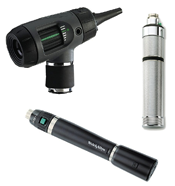
Photos show example models. Your clinical and technical teams should approve the exact equipment and its current support.
Jump to equipment +
Examination and vital-sign equipment
Buy complete examination kits with the right cuffs, chargers, specula, and replacement supplies for the patients you serve.
How it works & what to compare
The basics
Examination tools and vital-sign devices help clinicians gather basic information. Otoscopes, blood-pressure monitors, thermometers, and pulse oximeters do different jobs, with patient-size and accessory requirements to consider.
Before you buy
- Itemize handles, chargers, specula, cuffs, probe covers, batteries, carrying cases, and replacement illumination where needed.
- Match blood-pressure cuffs and other patient-contact accessories to the intended population. Ask the team to evaluate usability and cleaning before standardizing.
- For pulse oximeters, assess intended medical use, probe suitability, and known accuracy limitations. Do not assume every inexpensive consumer device is suitable for clinical purchasing.
Budget for the whole package. Compare a complete kit with repeat consumable and battery costs. Keep a stock list with compatible part numbers and realistic reorder points.
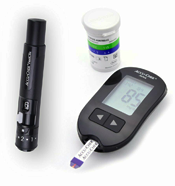
Small-clinic testing
Choose tests your team can run, quality-control, interpret, and resupply. Include storage conditions and expiry in the purchasing decision.
How it works & what to compare
The basics
Small-clinic testing brings selected measurements into a compact setup. The device, test consumables, controls, storage, training, and a plan for interpreting results all belong in that setup.
Before you buy
- Plan consumable quantities around workload and expiry rather than buying a large stock simply because it is cheaper per pack.
- Confirm transport and storage requirements, including opened-container limits and the environmental conditions at the clinic.
- Include operator training, quality-control responsibilities, recording, and an appropriate result-review process.
Budget for the whole package. Request small-pack and replenishment pricing. Include waste, repeats, controls, and transport in cost-per-test comparisons.
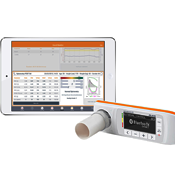
Spirometry and hearing assessment
Define screening or diagnostic needs first. Portable spirometers and audiometers still require trained operators, suitable surroundings, and ongoing performance checks.
How it works & what to compare
The basics
Spirometry measures how much and how quickly a person can breathe out. Audiometry assesses hearing using controlled sound. These are different services, each requiring suitable equipment, trained staff, and an appropriate testing environment.
Before you buy
- Request the instrument, cables, software rights, chargers, consumables, and current manufacturer documentation as one package.
- For spirometry, check sensor cleaning or disposal instructions and the manufacturer’s verification and calibration requirements.
- For audiometry, confirm that headphones and other transducers belong to the calibrated system and that the planned environment is appropriate.
Budget for the whole package. Include consumables, calibration services, software support, training, and transport protection. Portability does not eliminate the need for a suitable testing space.
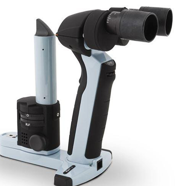
Portable eye-care equipment
Balance portability with the examination your clinicians need. Include compatible probes, tips, charging, protective cases, and a repair route.
How it works & what to compare
The basics
Portable eye-care equipment brings selected examination tools into outreach settings. A portable slit lamp, tonometer, and retinal camera perform different functions; portability alone does not make them substitutes for one another.
Before you buy
- Ask for a demonstration with the receiving team before choosing a model around weight or price alone.
- Budget for the exact probes, tips, batteries, chargers, and cleaning supplies the chosen device requires.
- Include protective cases and a service route. Confirm data export and software support for any connected camera.
Budget for the whole package. Compare the full examination package and ongoing supplies. Preserve manufacturer single-use requirements when budgeting contact accessories.
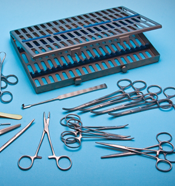
Procedure instruments and emergency readiness
Build complete sets around approved services. Include reprocessing, storage, consumables, and the emergency equipment your clinical team specifies.
How it works & what to compare
The basics
A procedure kit groups the instruments and supplies for an agreed service. Reusable instruments need compatible processing and storage. Emergency equipment should be planned separately with the clinical team’s scope and training in mind.
Before you buy
- Use a signed-off inventory for each intended service. Include compatible accessories rather than assuming a kit is complete from its product name.
- Establish validated reprocessing for reusable devices and follow their instructions; a general cleaning step is not equivalent to disinfection or sterilization.
- Review suction, airway equipment, oxygen, monitoring, and emergency equipment as a coordinated clinical plan with appropriately trained staff.
Budget for the whole package. Budget for cleaning and packaging supplies, replacement instruments, consumables, and staff training. Ask for a complete itemized quote.
Donations, power, logistics, and records
Agree the recipient’s needs, utilities, supplies, and maintenance plan before sourcing. A useful donation must remain usable after delivery.
How it works & what to compare
The basics
A usable equipment project includes the destination, utilities, trained users, consumables, records, and maintenance. These arrangements turn a delivered machine into a service that the receiving facility can sustain.
Before you buy
- Agree the recipient’s required specification before sourcing. Confirm manuals, accessories, condition, service, and who pays for freight and destination costs.
- Have qualified personnel assess power and installation needs. Select any backup supply around the equipment’s documented requirements rather than an improvised arrangement.
- For electronic records, assess offline workflow, access controls, backups, export, local support, and privacy obligations; software availability alone is not an implementation plan.
Budget for the whole package. Compare the delivered, usable system over its planned life. Record what will happen if an accessory fails, a consumable is unavailable, or a service provider cannot reach the facility.
Your quote checklist
- Recipient-approved service and equipment priorities
- Complete accessories, supplies, and trained users
- Power, transport, reprocessing, and storage plans
- Named owner for maintenance and replenishment
References reviewed October 2, 2026.