
Some of the most expensive purchasing mistakes happen outside the headline equipment. Check processing capacity, compatible furniture, cold-chain monitoring, utilities, and specialist support early in the project.
Photos show example models. Your clinical and technical teams should approve the exact equipment and its current support.
Jump to equipment +
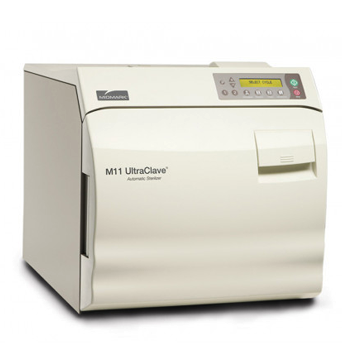
Autoclaves and sterile processing
Choose around permitted loads, chamber size, drying, and turnaround. Include cleaning, packaging, utilities, monitoring, and maintenance.
How it works & what to compare
The basics
A steam autoclave sterilizes compatible items using a validated cycle. Cleaning, preparation, packaging, loading, and monitoring are part of the process; a sterilizer is one component of a complete instrument-processing workflow.
Before you buy
- Confirm that the proposed cycles are appropriate for the actual instruments and their instructions. Identify included trays, racks, and load accessories.
- Check the exact water-quality, electrical, ventilation, and maintenance requirements. Do not assume that tap water or a shared socket is suitable.
- Request service records, a sound chamber and door assessment, installation qualification as applicable, and a facility-approved monitoring and release process.
Budget for the whole package. Include instrument cleaning, packaging, indicators, maintenance, water preparation, documentation, and trained operators. Purchase around a validated workflow, not an unqualified promise that a unit sterilizes everything.
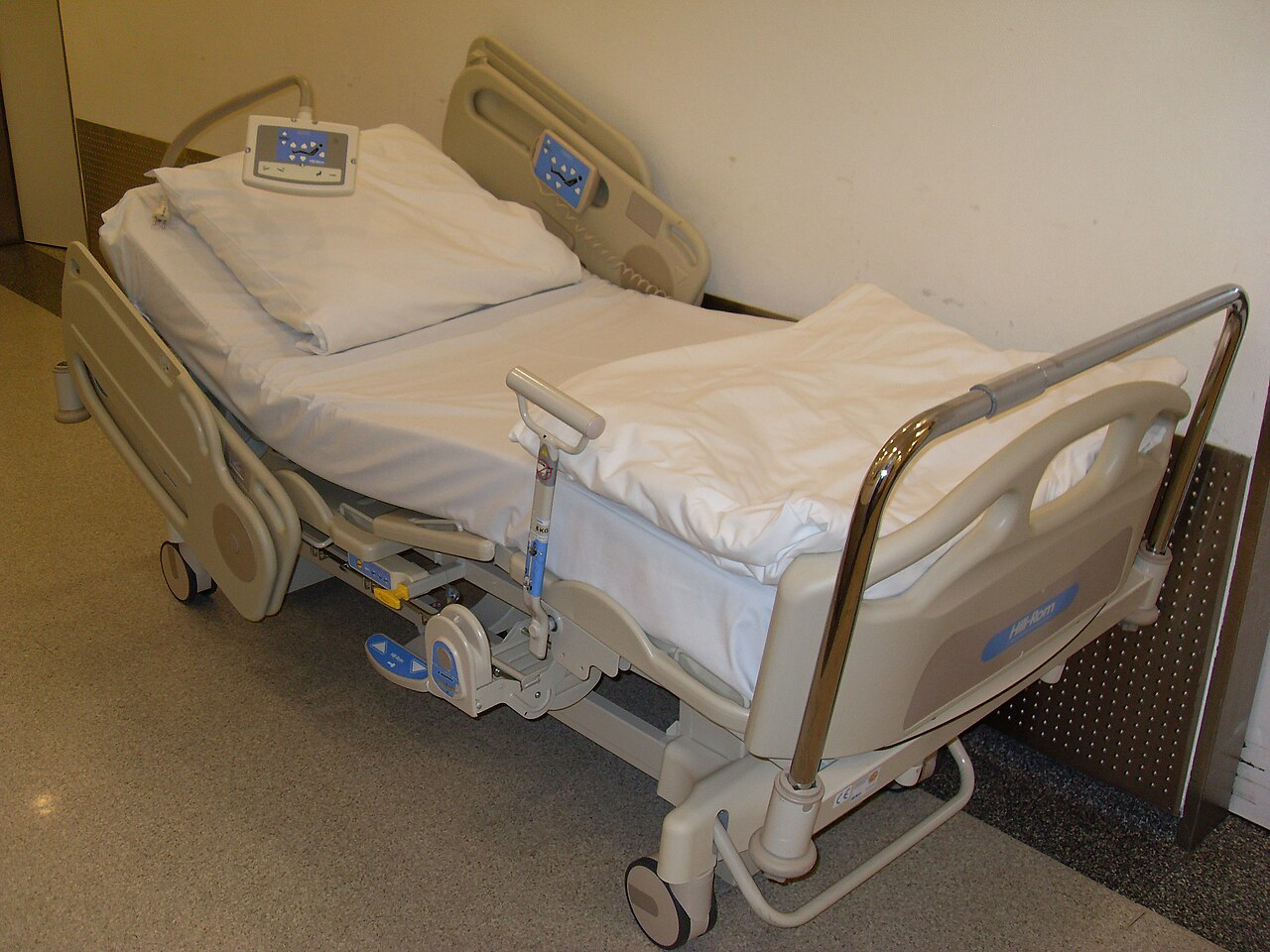
Hospital beds and patient transport
Buy the frame, mattress, rails, and accessories as a compatible system. Check door clearance, brakes, working load, and freight costs.
How it works & what to compare
The basics
Hospital beds support positioning and bedside care; stretchers and transport equipment help move patients. Mattress, rails, controls, brakes, and accessories should be evaluated as a compatible system.
Before you buy
- Confirm safe working load, mattress dimensions, rail compatibility, overall width, and clearance through doors, lifts, and corridors.
- Ask the receiving team to assess the complete bed and mattress combination for entrapment risks; substituting a mattress can change the system.
- Inspect brakes, wheels, rails, controls, cables, motors, batteries where fitted, and surfaces that must be cleaned.
Budget for the whole package. Include a suitable mattress, accessories, packing, freight volume, assembly, and replacement parts. Ask whether a low quote is for the frame only.
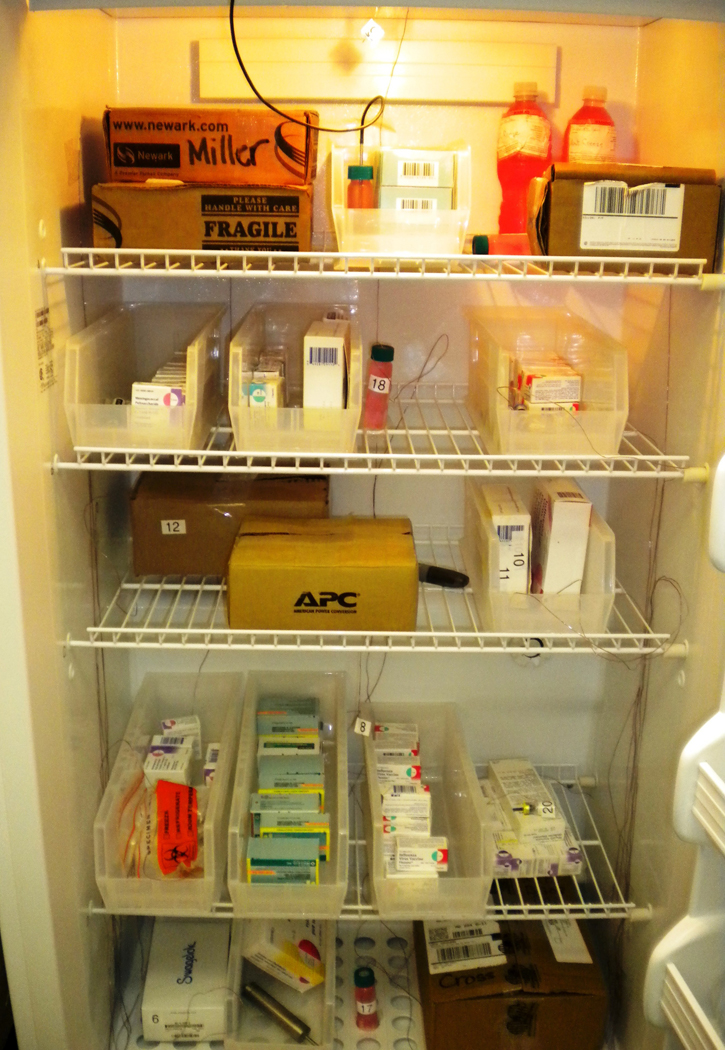
Medical refrigeration and cold chain
Specify the stored product first. Compare suitable temperature control, usable capacity, monitoring, alarms, and power-failure arrangements.
How it works & what to compare
The basics
Medical refrigeration maintains the storage conditions required by the products inside it. Vaccines, reagents, medicines, and blood products can need different storage systems, monitoring, and backup arrangements.
Before you buy
- Confirm the required storage range with the product instructions and responsible clinical or laboratory team. Volume alone is not an adequate specification.
- Include continuous temperature monitoring, alarm response, probe placement, calibration arrangements, and record access in the purchase plan.
- Check installation clearance, service access, power interruption behavior, transport protection, and destination support.
Budget for the whole package. Budget for monitoring, backup arrangements, maintenance, and the cost of a stock-loss event. Use guidance appropriate to the stored product; vaccine guidance is not a specification for blood storage.
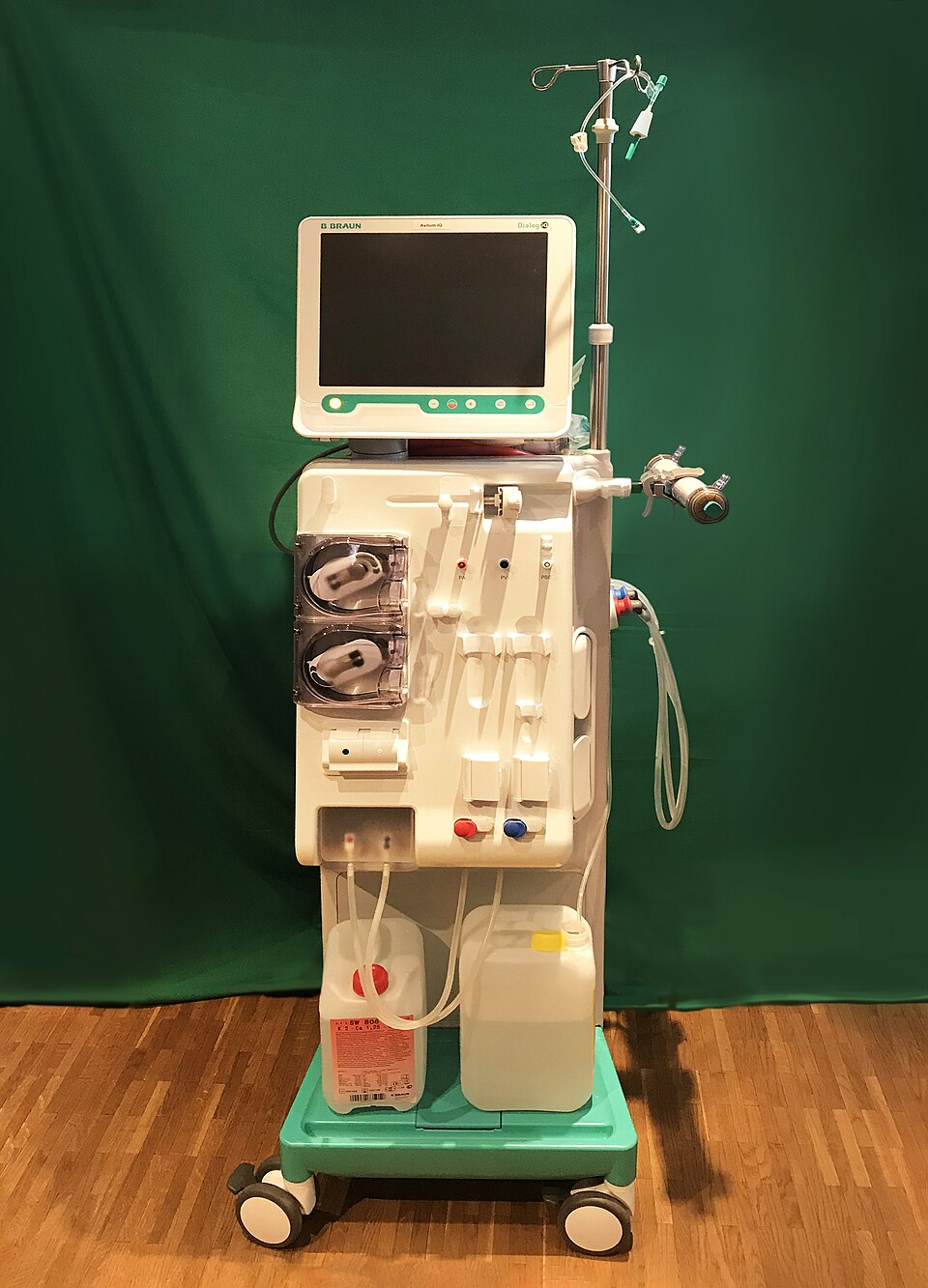
Hemodialysis equipment and water systems
For conventional hemodialysis, scope the machine, water treatment, utilities, consumables, and specialist support as one project.
How it works & what to compare
The basics
Hemodialysis uses a machine and dialyzer to remove wastes and excess fluid from blood. Conventional hemodialysis also depends on a properly designed water-treatment and distribution system, consumables, and specialist support.
Before you buy
- Require specialist review of water treatment, distribution, testing, disinfection, and monitoring appropriate to the facility and applicable standards.
- Confirm compatible consumables, concentrate supply, service documentation, spare parts, and the exact offered configuration.
- Assign commissioning and ongoing performance checks to qualified clinical and technical personnel, with clear responsibility for the whole installation.
Budget for the whole package. Compare installed and recurring costs, including water-system upkeep, testing, consumables, training, and service response. Avoid a machine-only quote for a new facility project.
Your quote checklist
- Complete installed package, not only the main unit
- Water, power, space, and workflow requirements
- Compatible accessories and recurring supplies
- Responsible installation, acceptance, and maintenance teams
References reviewed October 2, 2026.